
Hormuz Tanker Traffic Drops as Attack Risk Rises
Only seven commodity vessels crossed Hormuz on Tuesday as attacks increased, but alternative routes kept total Middle East crude exports near prewar levels.
Daily analysis of commodities markets, trends, and trading opportunities.
Only seven commodity vessels crossed Hormuz on Tuesday as attacks increased, but alternative routes kept total Middle East crude exports near prewar levels.

U.S. Gulf operators shut in 9.24% of oil and 3.36% of gas output ahead of Tropical Depression Nine. Investors should distinguish precautionary curbs from lasting infrastructure damage.

Gold held near $4,140 as lower October Fed hike odds were offset by a firm dollar and elevated Treasury yields. The next catalyst is Fed guidance.

Middle East crude exports briefly exceeded pre-war levels, pulling Brent toward $101. Yet vessel attacks and uneven product flows keep freight, refining and inflation risks elevated.
Iraq's state tanker operations adjust crude routing through the Strait of Hormuz, signaling potential shifts in freight costs and regional pricing premiums.
Brent held near $102 as recovering Gulf exports offset renewed geopolitical and refined-product risks. Investors should focus on physical flows, diesel tightness and inflation transmission.
Brent held near $98 as recovering Gulf exports offset stalled US-Iran diplomacy. For investors, the key issue is whether supply normalisation can outpace depleted inventories and inflation risk.

Gold held near $4,180 after a sharp selloff. Elevated Treasury yields remain a headwind, while softer oil and geopolitical risk create mixed signals.
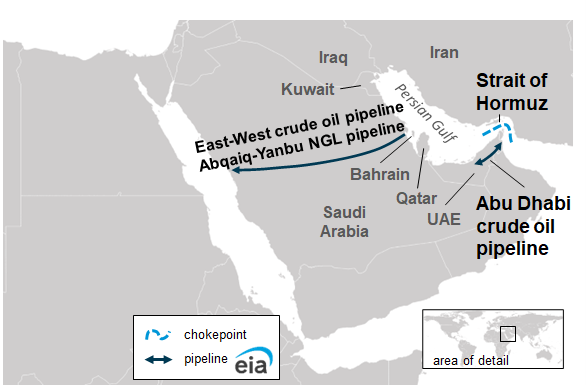
Middle East crude exports recovered in September, but Hormuz flows remain far below normal and shipping security keeps a material oil risk premium in place.
Interactive preview — sample data
Building your screener
| # | Ticker | Name | Score |
|---|