Public summaries of Citi research published on 4 September say the bank expects uranium spot prices to move above $100 per pound over the next three months. That is a directional target, not a guaranteed range. It is also materially different from the unverified price bands in the original draft, which have been removed.
The target is plausible but demanding. Cameco's industry-average series—based on month-end UxC and TradeTech indicators—put uranium spot at $89.68/lb and the long-term price at $96.50/lb on 31 August 2026. Reaching $100 would require roughly 11.5% spot-price appreciation from that month-end level.
Why the long-term price matters more than one spot print
Uranium is not traded like a highly liquid exchange commodity. Utilities and producers negotiate most volumes through multi-year bilateral contracts, while the spot market represents a smaller marginal share. The gap between the August spot indicator and the higher $96.50/lb long-term indicator therefore signals that buyers are paying for security of supply—not simply chasing short-term momentum.
This distinction matters for uranium equities. Producer revenue does not move one-for-one with the spot price because realized prices depend on contract mix, floors, ceilings, market-linked escalators, delivery timing and currency. A sustained rise in term contracting can improve future cash-flow visibility even if spot prices remain volatile.
The supply-security case behind Citi's call
Recent summaries of Citi's work point to tighter restrictions on Russian enriched-uranium imports, declining waiver volumes and pressure on Western enrichment capacity. When separative work capacity is scarce, enrichers may “overfeed”—using more natural uranium feedstock to produce the same amount of enriched product. That can raise raw uranium demand even without a change in reactor output.
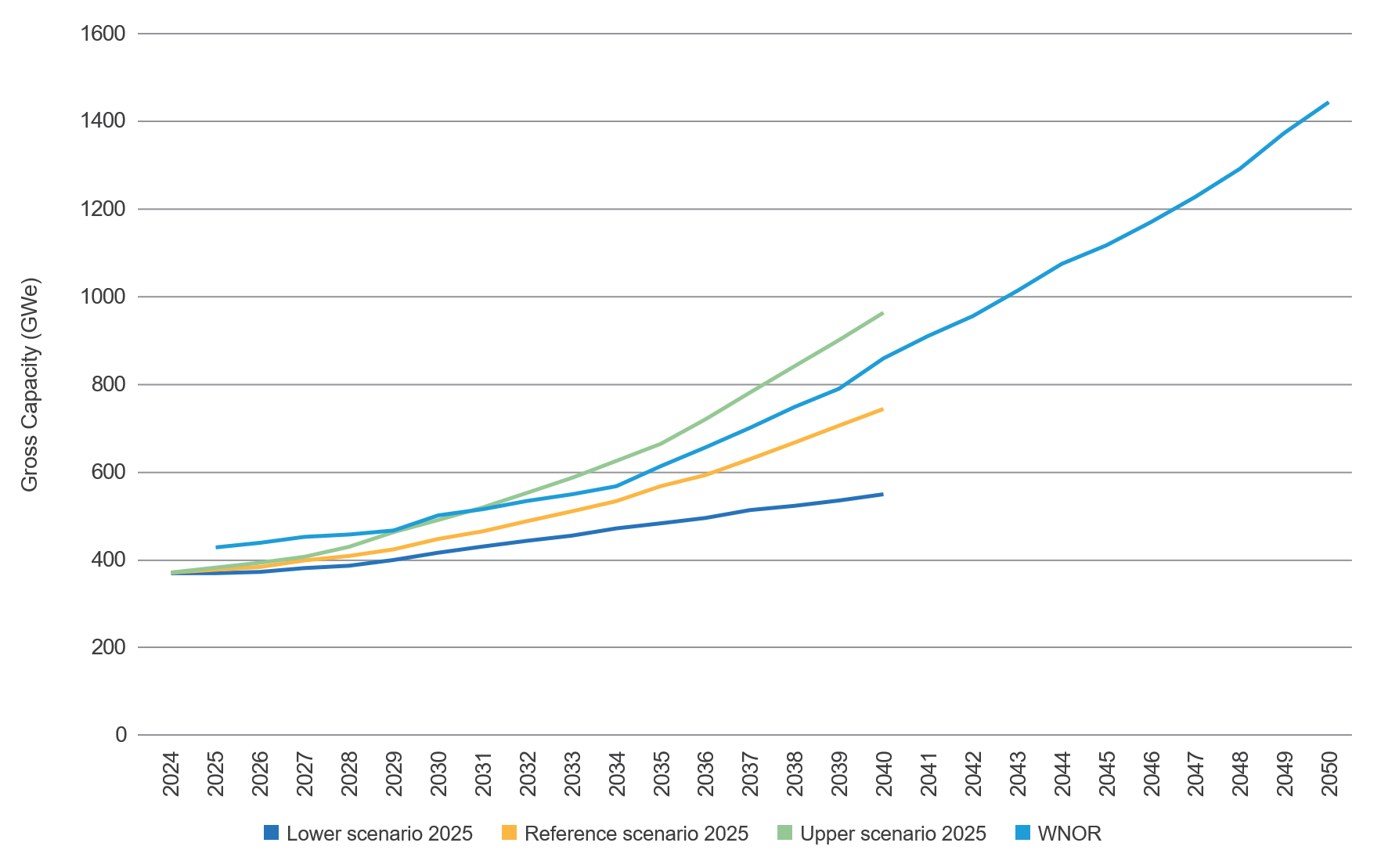
The broader supply-demand arithmetic supports caution. The World Nuclear Association estimated that the 2025 reactor fleet required about 70,000 tonnes of uranium annually while primary mine production was around 60,000 tonnes. Secondary supplies and inventories cover the difference, but new mines and fuel-cycle facilities have long permitting, financing and construction lead times.
The same WNA analysis stresses that resources in the ground are sufficient; the constraint is timely conversion of those resources into licensed, financed and operating capacity. That makes execution—not geological scarcity—the critical variable.
What the $100 threshold means for investors
Producers: Higher term prices can support project economics, reserve conversion and stronger future realized prices. The benefit is greatest for companies with reliable production and uncommitted volumes. Operational misses can still overwhelm the commodity tailwind.
Developers: A higher incentive price may improve financing prospects, but dilution, construction inflation and long lead times remain material. Net present values are highly sensitive to assumed start dates and capital costs.
Enrichment and conversion: Tight capacity and Western diversification away from Russian supply may keep margins firm further downstream in the fuel cycle. Investors should avoid treating miners, converters and enrichers as interchangeable exposures.
Utilities: Uranium is only part of the total nuclear-fuel cost, which limits immediate electricity-price sensitivity. The bigger concern is availability and contract coverage, especially for deliveries later this decade.
Bull case, bear case and catalysts
The bull case is that utilities accelerate contracting ahead of tighter Russian restrictions, production underperforms and overfeeding raises natural-uranium requirements. In that scenario, spot can overshoot $100 while term prices remain firm.
The bear case is that mine restarts and expansions deliver on schedule, utilities draw inventories rather than compete in spot, or financial vehicles release material into the market. A thin spot market can amplify declines as easily as rallies.
Key indicators are monthly UxC and TradeTech spot and term prices, utility contracting volumes, production guidance from Kazatomprom and Cameco, conversion and SWU prices, Russian-import waivers, and project commissioning schedules. Investors should also watch the World Nuclear Association Symposium for contract and supply guidance—but distinguish management targets from delivered pounds.
Sources and methodology
Cameco uranium price series; World Nuclear Association fuel-cycle outlook, January 2026; World Nuclear Association uranium-market background; public summary of Citi research, 4 September 2026. Citi's underlying note is proprietary; its forecast is presented as attributed analysis, while current price data are independently checked against Cameco's published series.