ADNOC appears to be maintaining some LNG loading activity at Das Island despite disruption in the Persian Gulf. A September 4 report from OilPrice, citing Bloomberg satellite analysis, describes one tanker docked on September 2 and another nearby. This is evidence of terminal activity, not confirmation that either cargo reached its buyer.
For investors, the distinction matters: revenue and cash generation depend on contractual delivery terms, saleable volumes and transport costs. A working export terminal offers limited reassurance if ships cannot reliably clear Hormuz.
The scale of the supply gap
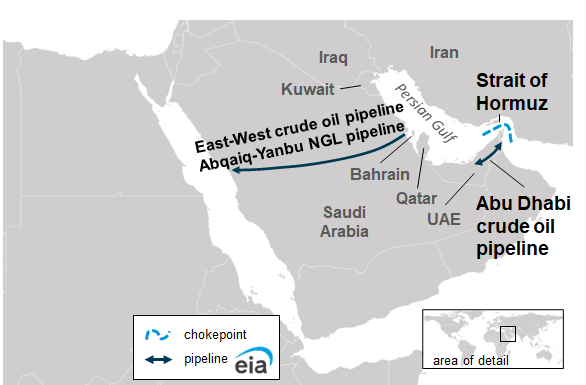
The EIA's August energy-security tables estimate LNG flows through Hormuz at 0.8 billion cubic feet per day in the second quarter of 2026, versus 10.5 in the fourth quarter of 2025—about 92% lower, calculated from those estimates. These are quarterly regional flows, not ADNOC production or a September shipping count.
EIA warns that AIS signals have become particularly unreliable and estimates are being revised. Missing broadcasts therefore do not prove a vessel's location, loading status or reason for going dark. Reduced visibility alone cannot establish operational resilience.
Who gains and who bears the cost?
Our interpretation is that recurring, completed shipments would support exporter cash flow and reduce buyers' need for replacement cargoes. But even higher international gas prices need not offset lost export volumes, insurance charges and vessel delays. An earnings assessment needs realized prices and delivered volumes rather than a spot-price headline.
For importing utilities, exposure depends on contract flexibility, inventories and the ability to pass fuel costs to customers. Fixed retail tariffs can squeeze margins; regulated pass-through may instead transfer the burden to consumers with a delay. Long-term supply agreements can stabilize pricing but cannot physically guarantee delivery through a disrupted route.
Suppliers outside the Gulf may benefit from demand for replacement LNG, provided they have spare capacity or uncommitted cargoes. That condition is essential: higher benchmark prices do not translate automatically into additional production or equal profit gains across exporters.
Two scenarios and the next evidence
Supply recovery: repeated vessel departures followed by confirmed arrivals would strengthen the case for easing regional gas premiums. Continued disruption: docking without sustained transits leaves replacement demand, freight costs and winter procurement vulnerable.
Monitor confirmed cargo arrivals, terminal and buyer disclosures, insurance availability, and the spread between Asian and European gas benchmarks. Aggregate transit volumes are more informative than individual satellite sightings. No quantified ADNOC earnings impact can be established from the observations alone.
Analysis as of September 4, 2026. Scenarios are PrimeStrider interpretation, not forecasts of confirmed shipments.