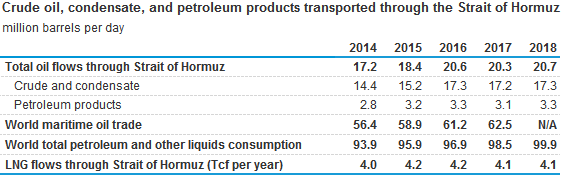
Brent crude held on to a weekly gain on Friday after Houthi missile attacks on Saudi Arabia revived fears that the Middle East conflict could disrupt production or exports. The important signal for investors is not a confirmed loss of barrels—none had been reported at the time of writing—but the return of a geopolitical premium to internationally traded crude.
Brent settled at $106.60 a barrel on September 24, up 3.4%, while West Texas Intermediate gained 2.7% to $94.61. Early on September 25, Brent eased to about $105.85 and WTI to $93.80 as traders also weighed reports of a possible US-Iran de-escalation path. The weekly divergence remained striking: Brent was up about 2.1%, while WTI was down roughly 6.4%.
What changed
Saudi Arabia said it intercepted six ballistic missiles fired by Yemen's Iran-backed Houthis toward the Taif and Yanbu areas. Yanbu matters because it sits on the Red Sea end of Saudi Arabia's East-West pipeline and hosts major energy infrastructure. The absence of confirmed damage limits the immediate fundamental impact, but repeated attacks increase the probability of operational disruption, higher insurance costs and precautionary inventory demand.
At the same time, reports that US and Iranian negotiators were discussing a phased route toward reopening the Strait of Hormuz reduced the most extreme tail risk. That combination—physical threat without verified supply loss, plus uncertain diplomacy—explains why prices rose sharply but remained volatile.
Why investors should care
For upstream producers, a sustained Brent premium can lift realised prices and cash flow, particularly for companies with limited hedging and low operating costs. Refiners face a less uniform outcome: higher crude costs can compress margins unless product cracks rise as well. Airlines, shipping companies and chemicals producers are exposed through fuel and feedstock costs, while oil-importing economies face renewed inflation and current-account pressure.
The cross-asset channel is also important. If higher oil prices persist, headline inflation may stay elevated, limiting central banks' room to ease and putting pressure on long-duration bonds and rate-sensitive equity valuations. A short-lived geopolitical spike would have a much smaller earnings and policy effect than a sustained disruption to exports.
Bullish and bearish readings
Bullish for oil: repeated attacks, damage to Saudi infrastructure, tighter shipping availability or a prolonged Hormuz disruption would support Brent and widen the risk premium over WTI. Spare capacity is useful only if production and export routes remain accessible.
Bearish for oil: verified de-escalation, intact Saudi flows, rising inventories or weaker demand could remove the premium quickly. The recent WTI underperformance is a reminder that regional supply risk and global demand can send different signals.
What to monitor next
- Confirmed damage, export nominations and refinery operations around Yanbu.
- Tanker rates, war-risk insurance and actual traffic through Hormuz and the Red Sea.
- US-Iran negotiations and any enforceable timetable for restoring shipping.
- OPEC+ production signals, commercial inventories and Brent-WTI spreads.
Sources: Reuters market reports dated September 24-25, 2026; U.S. Energy Information Administration analysis of the Strait of Hormuz. Prices are time-stamped and may change.