The U.S. Securities and Exchange Commission filed a subpoena-enforcement action against Institutional Shareholder Services on 4 September 2026, asking a federal court to compel production of client-level proxy-recommendation and voting records. The court has not yet ruled, and the SEC explicitly says its investigation is continuing and has not concluded that ISS or anyone else violated federal securities laws.
For investors, this is primarily a regulatory-access and data-governance dispute—not a fresh rule changing how proxy votes must be cast. Its importance lies in what the requested records could reveal about whether a major proxy adviser follows client instructions, manages conflicts and keeps accurate books and records.
What the SEC actually filed
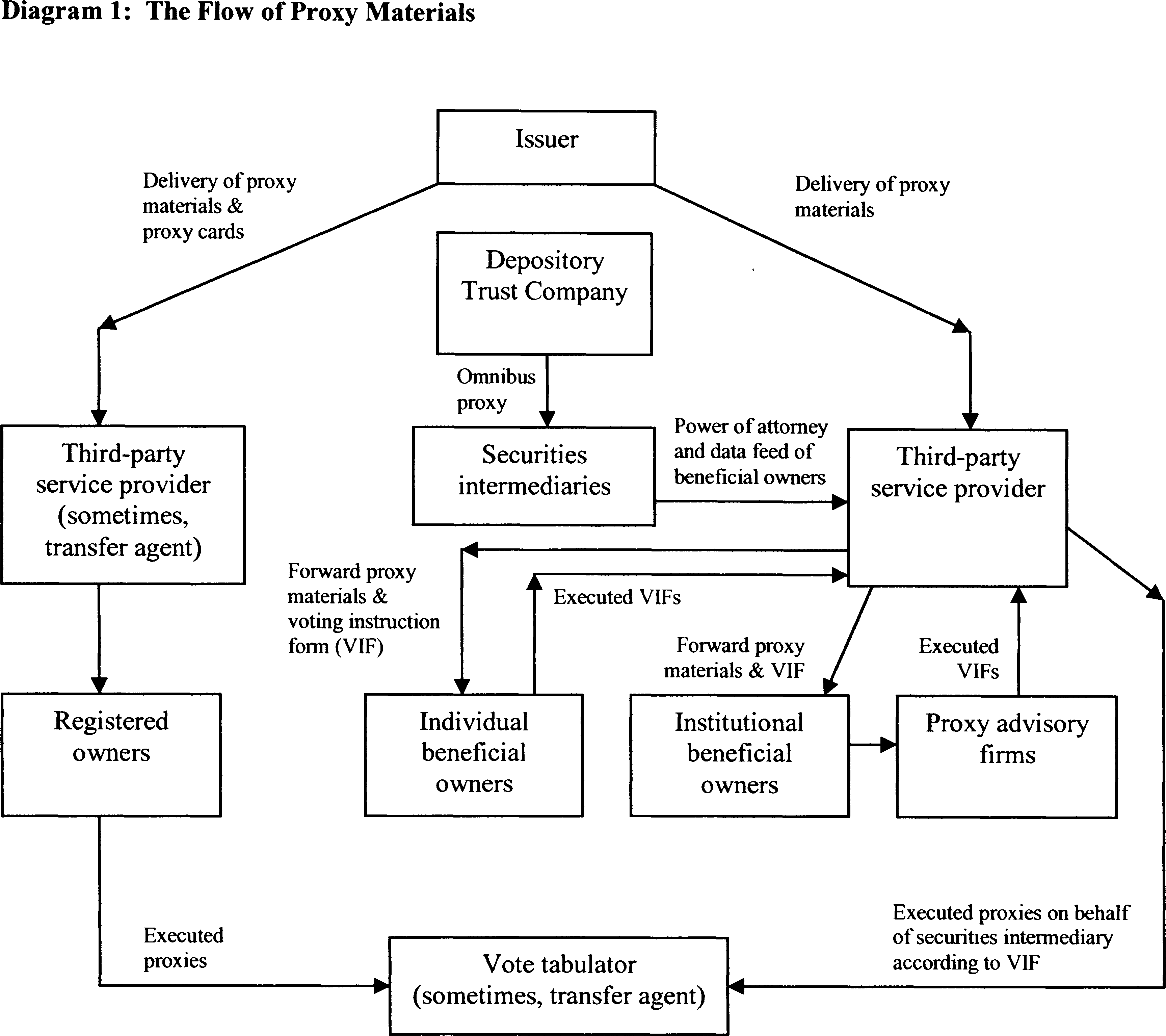
The SEC brought SEC v. Institutional Shareholder Services, Inc., No. 2:26-mc-00078, in the U.S. District Court for the Eastern District of Pennsylvania. According to the agency, its Division of Examinations began an examination in March 2026 and later requested data from ISS's ProxyExchange platform.
The Commission issued a formal order of investigation on 20 July and an administrative subpoena on 21 July. The filing says the subpoena seeks three categories: records identifying ISS clients, vote-authorization agreements and related changes, and an electronic export of recommendation and voting data. ISS agreed to produce material responsive to the first two categories but disputed the third.
The SEC says the data are needed to assess whether ISS complied with client voting instructions, disclosed potential conflicts, met its fiduciary duties and maintained proper records. ISS has argued that the data are confidential and proprietary, that production could harm clients, and that the request raises First Amendment and freedom-of-association concerns. Those are litigants' positions, not findings of fact.
Why the dispute matters
ISS is a registered investment adviser and a central infrastructure provider in proxy voting. ISS STOXX says its policies are applied across roughly 50,000 meetings in 110 markets, while court materials in a separate 2026 case said ISS served about 1,400 clients and advised on approximately 52,000 meetings in 2025.
The contested data could allow the SEC to compare recommendations, client-selected policies, actual instructions and executed votes. If the court enforces the subpoena, registered proxy advisers should expect closer scrutiny of audit trails, override controls, confidentiality safeguards and conflict disclosures. If ISS prevails or narrows the request, limits on regulatory access to client-level stewardship data would be clearer.
Investor and issuer implications
Asset managers: The immediate risk is operational and legal rather than market-directional. Managers using ISS should review vendor agreements, regulatory-disclosure clauses, data-retention practices and the controls around automated or pre-populated voting. A manager's fiduciary duty remains its own even when execution is outsourced.
Public companies: The case does not invalidate ISS recommendations or alter current voting guidelines. However, issuers facing close director elections, compensation votes or activist campaigns may place even more emphasis on direct shareholder engagement and on correcting factual errors early in the proxy process.
Deutsche Börse: The exchange group agreed in February 2026 to acquire General Atlantic's remaining 20% stake in ISS STOXX, moving toward full ownership. The litigation could add compliance cost or strategic uncertainty, but the SEC filing provides no basis for estimating a material earnings impact. Investors should avoid treating the enforcement application as a penalty or liability determination.
Governance data vendors: Stronger oversight could raise compliance costs, but it may also increase the value of documented, auditable voting workflows. The economics will depend on whether requirements become industry-wide and whether clients accept higher fees.
What not to infer
The filing does not establish that ISS advice was politically motivated, that clients' votes were mishandled, or that a court will order public disclosure. The SEC is seeking records for a non-public investigation and points to federal confidentiality protections; ISS disputes whether those protections sufficiently address its concerns.
There is also no strong basis for expecting broad equity-market volatility from the case alone. Price effects are more likely to be company-specific during close proxy contests if the dispute changes voting operations, recommendation timing or client behavior.
What investors should monitor next
Watch the Eastern District of Pennsylvania docket for ISS's response, any confidentiality order, the scope of any production requirement and the judge's ruling. Also monitor SEC examination priorities, ISS disclosures about ProxyExchange controls, Deutsche Börse commentary on legal or compliance costs, and whether other proxy advisers receive similar requests.
Sources
SEC Litigation Release No. 26632, 4 September 2026; SEC memorandum of law; Deutsche Börse ownership announcement, 11 February 2026; ISS STOXX policy-development overview.